
Exhibition Statement | Visual Load by Kimchi and Chips | @ Gallery Shilla, Seoul, Korea
ENG
Art, in essence, is the pursuit of countless possibilities toward a singular result. It resists fixed definitions but instead navigates a continuous trajectory of philosophical, scientific, and sociological inquiry. It seeks to articulate the multidimensional facets of truths we have pursued across millennia, not through aesthetic formalism alone, but through acts of dismantling and reshaping the very logic that underpins the concept of value itself. This practice unfolds as a conversation that transcends time and space by radically reimagining how it might otherwise be understood.
It was on this foundation that Son Mimi of Korea and Elliot Woods of the United Kingdom joined forces to found Kimchi and Chips in 2009. Son Mimi is a visual artist and researcher who employs a range of perceptual and informational tools to find the truth that can be withheld beyond the constraints of time and place. Her inquiries often center on systems of cyclical interconnection and the dissolution of dualities, informed by Buddhist philosophies that interpret existence as a network of relationships rather than fixed forms. Elliot Woods plays a vital role in bridging these Eastern conceptual frameworks with Western foundations. With a background in physics, cosmology, and neural networks, Woods brings both scientific rigor and poetic sensitivity to the work. He is a scholar and artist who understands, more than most, that all forms of knowledge, however empirical, inevitably intersect with the abstract.
Together, Kimchi and Chips’ research spans the full spectrum of life systems and inanimate structures, as well as the visible and invisible frameworks that shape them. Their explorations often manifest as architectural interventions rooted in urban design and sociology, or as sculptural works that analogize technological evolution to natural and social phenomena.
Philosophy, art, and technology form the three pillars of their practice. From philosophy, they draw foundational questions. Through art, they stage bold and autonomous counterarguments. And with technology, they tap into a medium led by objectivity, precision, and relentless progress. It is this triangulation that allows their work to present both emotive and intellectual responses to contemporary life, not only as moments of spectacle but also as experiences that are carried into the everyday and into the future.

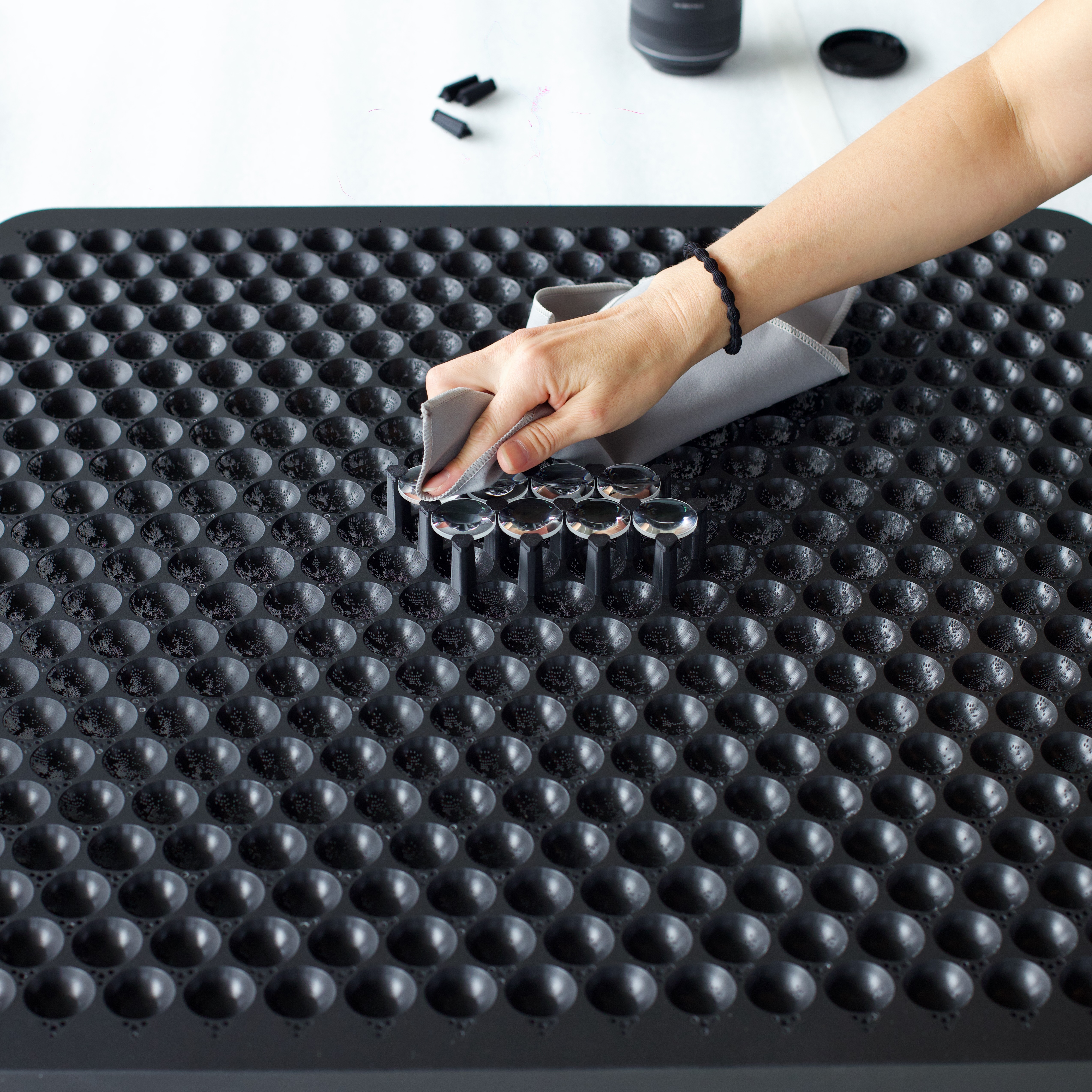
Visual Load is an exhibition that embodies this pursuit by the artists. It questions what it truly means to see, challenging the assumption that vision is a passive act. It explores how complex optical systems mediate perception and burden the human eye with layered information. Each artwork slows down the act of looking by revealing its visuals only from specific angles or distances, or appearing gradually over the span of one to two minutes. The viewer is not merely observing from the outside but is drawn into the process of image formation itself. Perception becomes participatory, and the sense of sight expands beyond its usual boundaries.
Opening the exhibition is Unread Characters, a work that draws upon Yi Sang’s Crow’s Eye View. It is a poem written under the oppressive climate of the Japanese occupation, when language itself was fractured and estranged. Just as the original poems resisted fixed interpretation and reflected the imposed fragmentation of their time, the artists rewrote Crow’s Eye View by hand and trained it into a machine learning system. The handwritten text was reorganised by the internal logic of the AI, known as a latent space, and rematerialised through an array of lenses and lights into a two-dimensional lenticular structure.
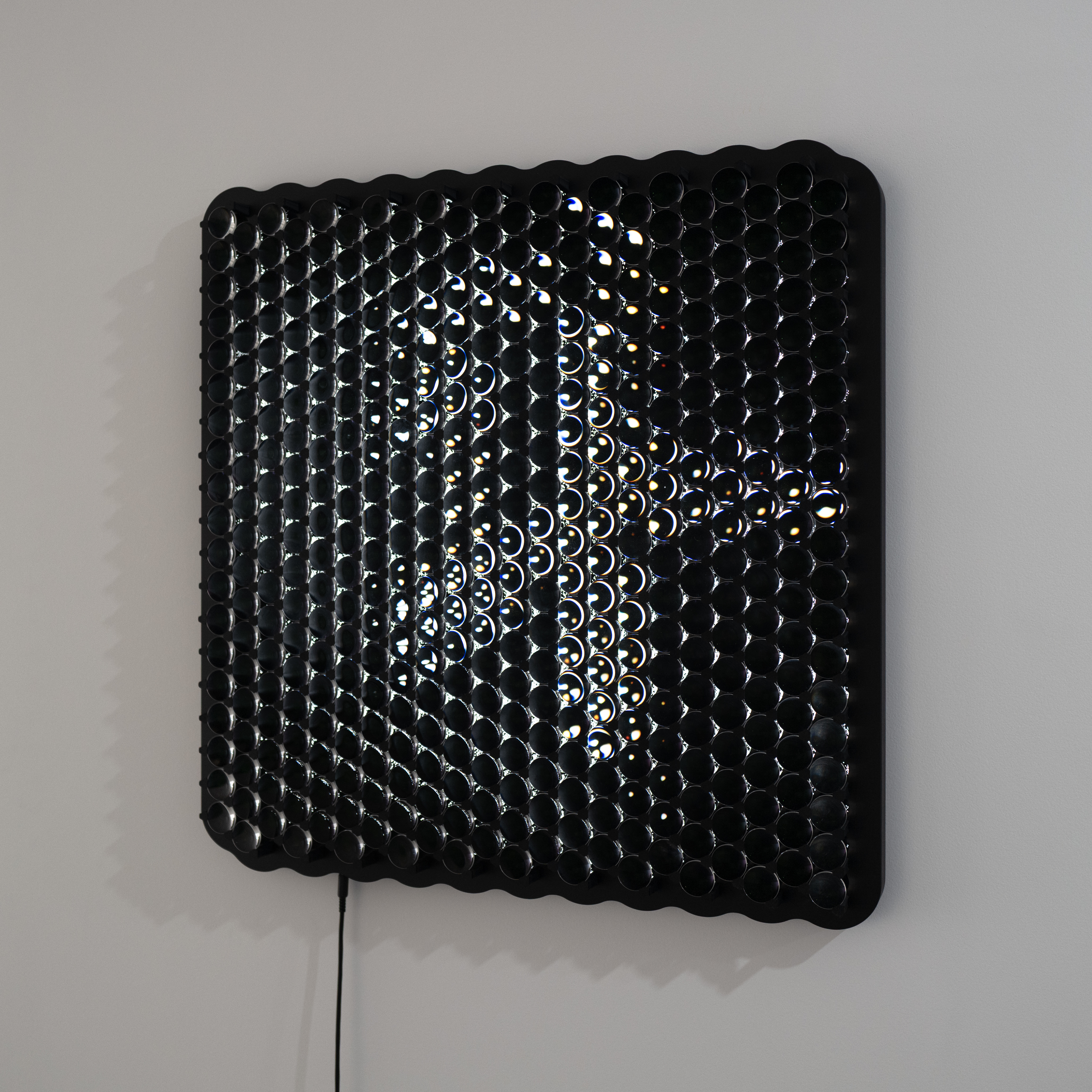
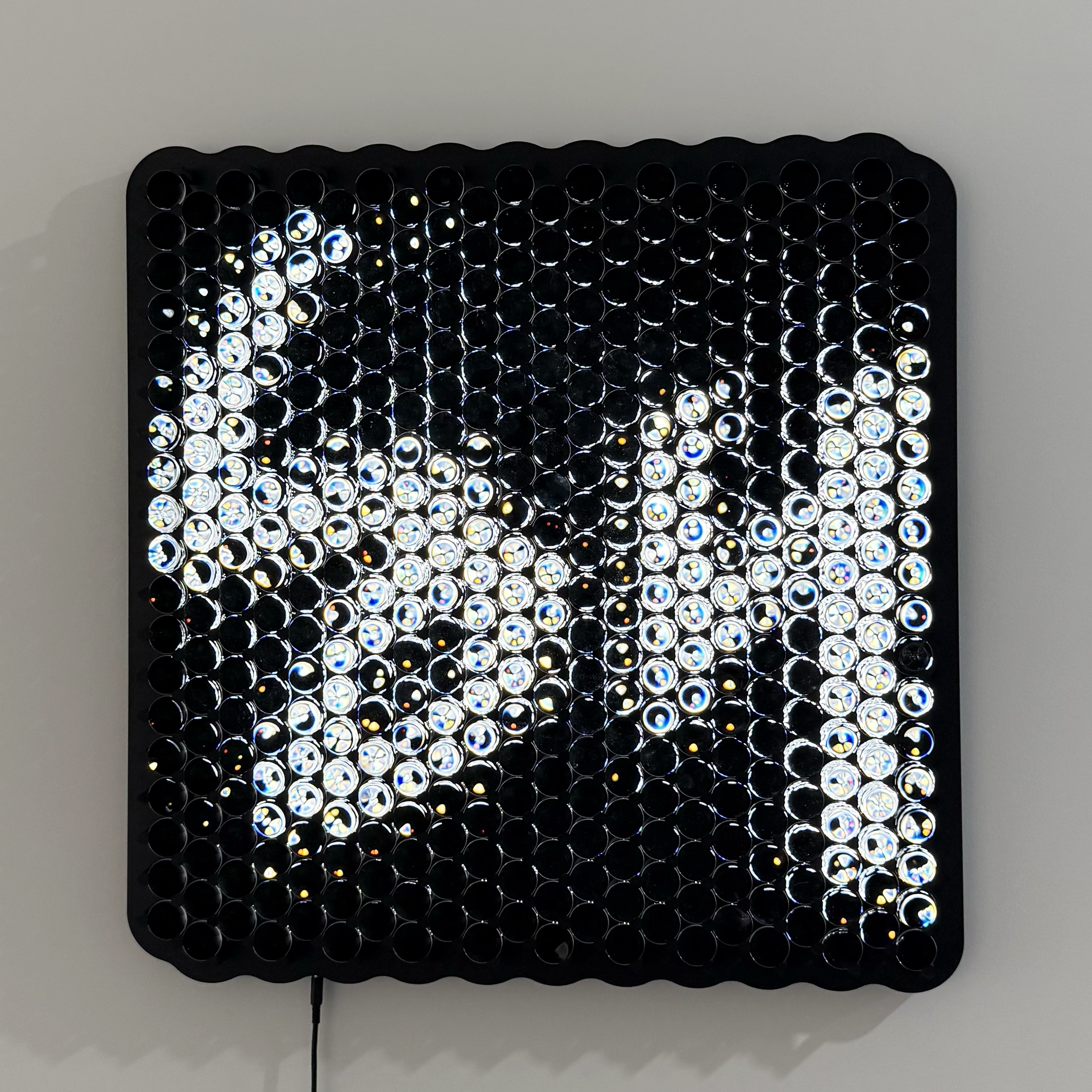
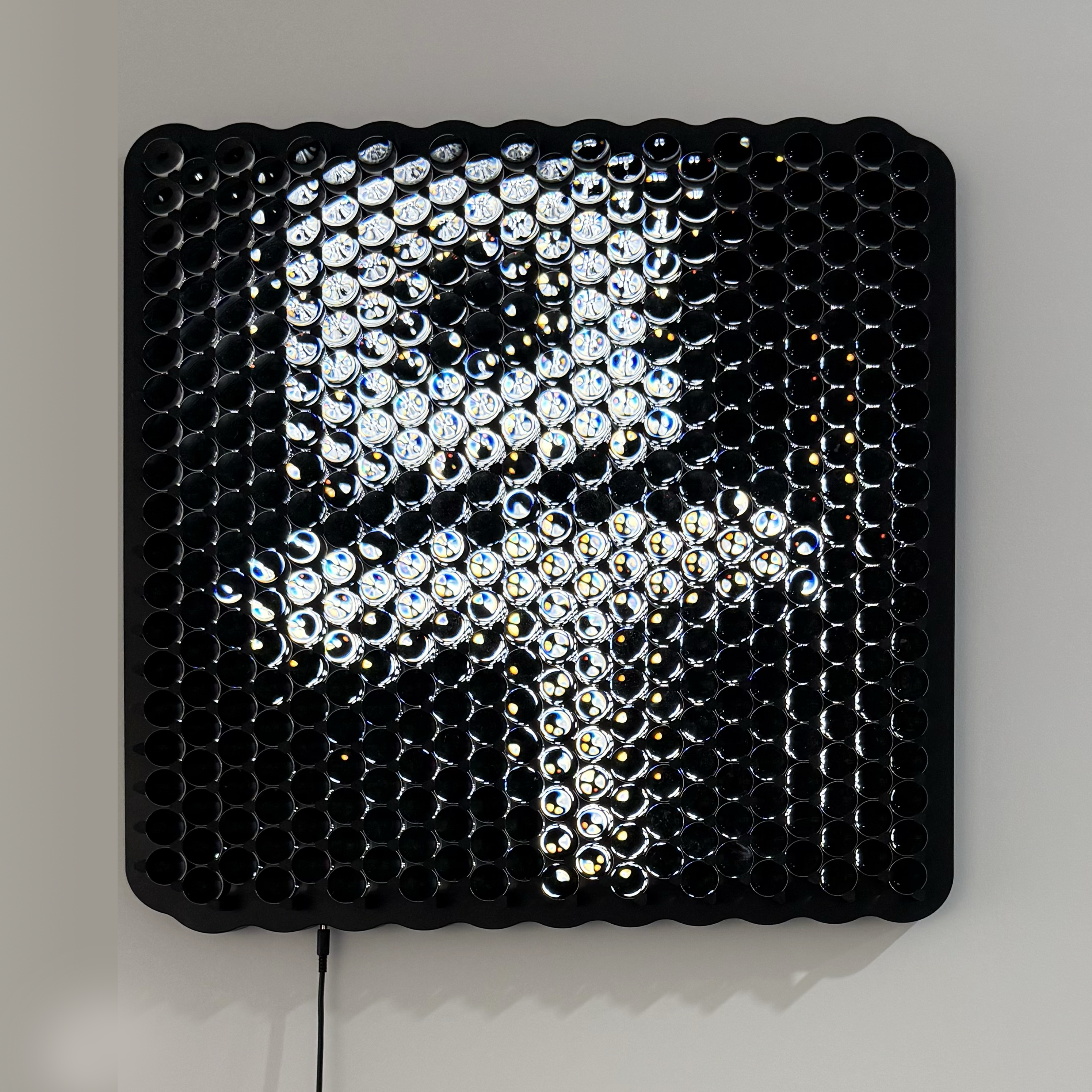
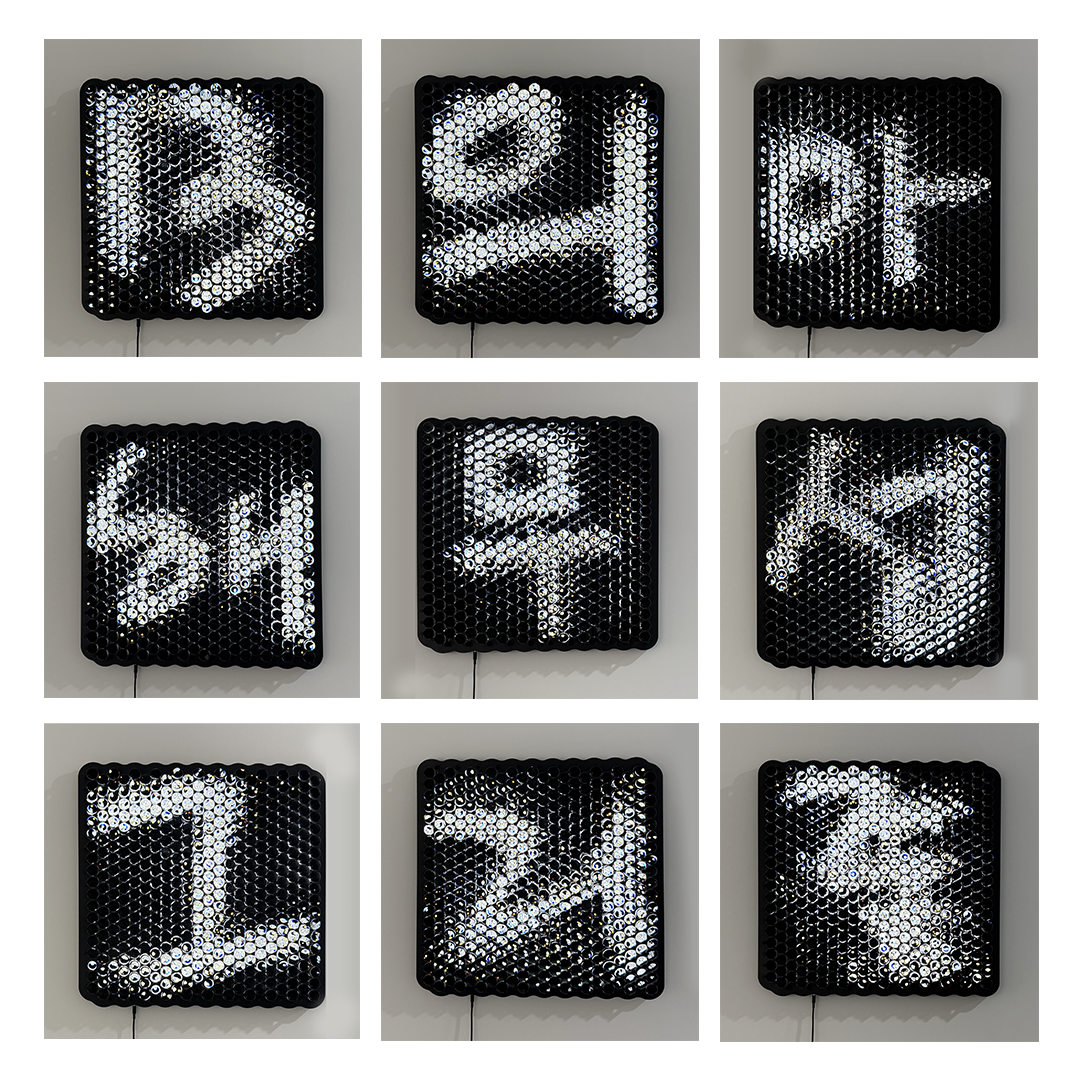
Within the bounded viewing zone, a single character is always visible. But as the viewer moves within a range of one to three meters, shifting up, down, left, or right, the characters morph smoothly from one to the next. This transformation is not random but follows the internal structure of the machine’s internal logic. The work connects a historically censored linguistic expression with the contemporary mechanisms of algorithmic language, staging a dialogue between human resistance and computational patterning.
Here, reading is no longer confined to the eyes. It becomes an embodied act, where the entire body navigates a field of shifting language. The system acts as a collaborator in estrangement, reorganising words in ways that resist capture. The audience, too, is no longer a passive observer but a moving agent within the scattering, invited to explore where meaning is always partial and fluid. As in Yi Sang’s own Crow’s Eye View, the act of seeing is redefined as a precarious and fractured condition, never entirely stable.
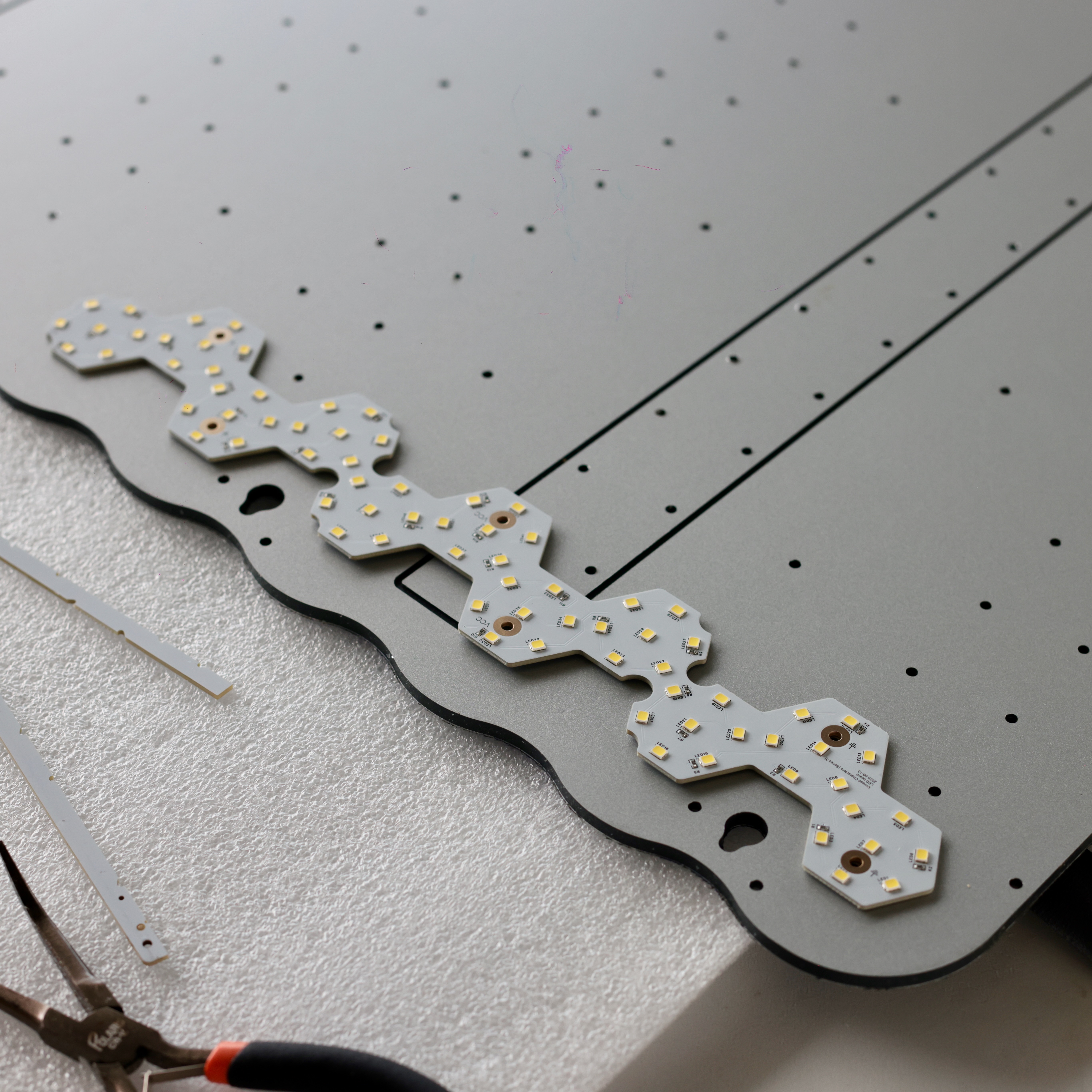

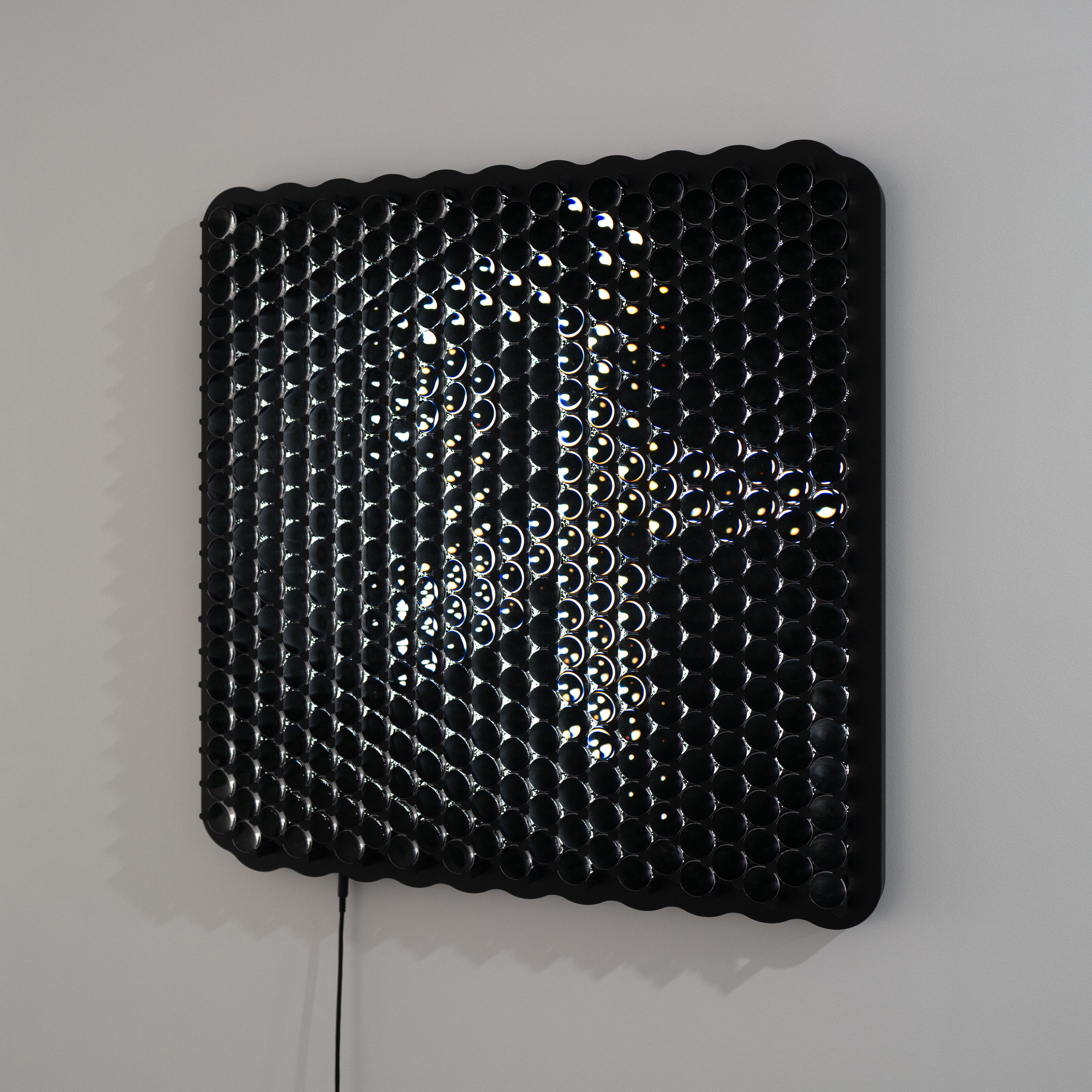
The Optical Rail series engages with the history of Op Art, which aimed to activate illusion and neurological stimulation through visual means. Unlike traditional Op Art that relied on painted surfaces, Kimchi and Chips work through mechanical optics to convey how time and visuality are constructed through motion that can be drawn out of stillness.
In Series 5, digitally printed backplates are overlaid with moving lenses. As the lenses traverse the surface, they release hidden rhythms and convert the motionless into the motionful. In Series 6, arranged fabric replaces printed plates. The weave and texture become the source of unexpected animations. Each material holds latent movement, which the lenses draw into visibility.
These works present perception as estranged while rejecting the notion of time as linear progression. Past, present, and future compress into a single sensory moment as the viewer is led to dwell and watch as form slowly emerges. Perception is decoupled from its usual stability, and “seeing” becomes something conditional and incomplete. As with Unread Characters, the image resists fixation. It requires discovery and an unfolding process, where the viewer is immersed in a system of ‘scattering,’ necessitating a constant renegotiation of the act of vision through patience.
Finally, on the sixth floor of the gallery, Reworld transforms its window into an optical apparatus that reorders our visual comprehension of the city. Thousands of diamond-cut micro-prisms, each operated by a precise electromechanical system, fragment and reorganise the sky, trees, buildings, shadows, and streets of the urban landscape into composite images. Whereas previous versions of the work used AI to orchestrate the prisms, here the artists have taken direct control.
The viewing experience is slow and demanding because the city initially appears fractured and unstable. After a minute or two, as the eyes relax and begin to adjust, the fragments coalesce into a single, mosaic–like image. The familiar becomes unfamiliar, remixed through optical intervention into a speculative future.
Although the viewer stands within the gallery, they encounter the view of the city not as remembered but as reimagined, in which memory and imagination are folded back into the act of seeing. Like the future it evokes, the work can only be experienced through time and with patience.
All of these Kimchi and Chips’ inquiries are, for me, liberating. While every artist seeks new perspectives, new methods, and new subjects, few pursue them with such relentless experimentation and intellectual generosity. Their work does not settle into personal revelations but expands into societal discourse. Even the most grand propositions, so often paralyzing in their scale, become tangible and urgent to take the first steps. They clear a path forward and allow everyone to have the right to see differently. Even moments of dissonance are embraced to resonate, to become part of a larger harmony. And it is this ethos, the way they think, make, and share, that I want to follow, again and again.
국문
예술은 결국 한 결괏값에 도달하기 위해 거칠 수 있는 수많은 가능성을 모험하는 것과도 같다. 하나의 정의에 도태되는 것이 아닌, 지속적인 철학적, 과학적, 사회학적 관철을 통해 우리가 수만 년간 알아 왔던 진실의 입체적 양상을 그려보는 것이다. 단순히 미감을 통해 특정 가치를 고양하는 것이 아닌, 그 표면을 산산조각 내보기도 하고 근원적으로 전혀 다른 논리 방식을 접목해 보며 현존하는 것들에 대한 시공간을 초월하는 대화를 펼쳐내는 여정이다.
2009년 한국의 손미미와 영국의 엘리엇이 김치앤칩스라는 이름으로 손을 잡은 이유는 바로 이 때문이다. 손미미는 김치앤칩스의 작품이 압도적인 공간성을 가지고 과거와 현재, 미래를 아우르는 진리에 도달하는 메세지를 전달할 수 있게 한다. 그녀의 질문들이 만물의 순환 체계와 연계성을 조명하고 관계 및 실체에 대한 총체적 해석을 논하는 불교 철학에 기원하기에 가능한 일이다. 이런 동양적 발상을 서구적 논리, 기술과 통용될 수 있게 하는 것은 바로 엘리엇 우즈의 역할이다. 물리학과 우주학, 또 뉴런 네트워크를 통해 연구해 온 그는 과학적 수사에 시적 감수성을 부여한다. 이론적 사실과 자연적 현상에 대한 모든 학문이 결국 어떤 방식으로든 추상적 개념과 조우하게 되는 것을 누구보다도 잘 인지하고 있는 학자이자 작가이다.
이 둘은 매 순간 주변의 환경과 이에 서식하는 모든 생물체의 역학, 또 이와 공존하는 무생물들과 이 모두를 살게 하는 가시적이고도 비가시적인 체계에 대해 끝없이 연구한다. 이를 도시 건축과 사회학에 뿌리를 둔 건축적인 제안하기도 하고, 자연, 사회적 현상을 신기술을 통해 재해석하는 작품을 제작하기도 한다.
이런 방대한 관심사들과 주제들을 표현하기 위해 활용되는 주된 요소는 철학과 예술, 그리고 기술이다. 철학에서 논제에 대한 근본적인 질문을, 예술이라는 분야에서 대담하고도 자율적인 반론을 제기하는 그들은, 기술이라는 매개의 객관성과 쉴 새 없는 발전을 이루는 특수성을 통해 감성과 이성을 모두 담은 현 사회에 대해 고찰한다. 그 때문에 그들의 작품들은 순간의 스펙터클만을 자아내는 것뿐만이 아닌, 일상으로, 또 미래로 뻗어나가는 힘을 가지고 있다.
[시각의 부하 | Visual Load]는 바로 그런 전시다. 보는 행위 그 자체에 대한 질문을 던지는 이 전시는, 첨예한 광학 시스템이 중개하는 시각 정보가 인간의 눈에 어떤 영향을 주는지에 관해 묻는다. 각 작품의 이미지는 특정 거리 혹은 각도에서만 드러나기도, 1~2분에 걸쳐 점차 모습을 드러내기도 한다. 관객은 이를 단지 외부에서 관찰하는 것이 아닌, 이 이미지를 형상화하는 과정에 초대되어 ‘시각’이라는 감각의 저변을 확장하게 된다.
이 전시의 포문을 여는 <읽히지 않은 문자들>은 일제강점기라는 강압적이었던 상황 속에서 언어가 해체되고 낯설어졌던 시기에 떠오른 시인 이상의 <오감도>를 모티브로 삼는다. 당대의 검열과 단절을 반영한 이 시처럼, 언어의 명확한 해석을 거부하며 파편화시키기 위해 작가들이 손 글씨로 직접 쓴 <오감도>를 기계학습 시스템에 학습시켰다. 입력된 문자는 인공지능의 자체적 논리 구조, 일명 ‘잠재 공간(latent space)’에 따라 재조직되고, 이는 다시 평면 렌즈와 조명 배열을 통해 2차원의 렌티큘러 시스템으로 구현되었다.
정해진 시야 범위 내에서 항상 하나의 문자가 보이지만, 1~3미터 거리 내에서 상하좌우로 이동하면 부드럽게 다른 문자로 변이된다. 이 변화는 무작위가 아니라, 기계 내부의 고유한 논리를 따른다. 정치적 상황에 의해 억압되었던 이상의 문학적 표현법을 인공지능의 언어 학습 패턴과 연계한 것이다.
이 작품에서 ‘읽기’란 단지 눈으로 텍스트를 따라가는 것이 아니라, 온몸으로 언어의 장(field)을 이동하는 행위로 해석된다. 시스템은 언어를 일방적으로 포획하는 것이 아닌, 끝없이 재배치하는 공모자가 된다. 관객 또한 작품을 외부에서 보는 것뿐만이 아니라 작품을 작동시키는 하나의 매개로서 이 시스템이 구현한 흩어짐 속을 탐험하게 된다. 이렇게 이상이 말한 ‘까마귀 눈의 시선,’ 즉 ‘본다’라는 것이 결코 완전할 수 없고 불안정하다는 것을 재고하게 된다.
<옵티컬 레일> 연작은 시각적 자극을 통해 뇌를 활성화하는 오프 아트(Op Art)와의 예술사적 담론과 조우하는 작품이다. 오프 아트와 같이 정지된 표면을 왜곡시켜 착시와 신경학적인 자극을 야기하지만, 회화적 착시가 아닌 기계 광학을 통해 시간, 시각적 요소를 재구성하여 정지된 화면에 운동성을 부여한다.
이 중 <시리즈 5>는 뒤판에 인쇄된 디지털 프린트 위에 레이어 된 렌즈가 표면 위를 이동하여 이미지를 움직임으로 변환시킨다. <시리즈 6>은 인쇄된 판 대신 섬유가 배치되어, 직조된 실의 질감을 예기치 않은 애니메이션으로 만들어낸다. 여기서 직물의 소재와 촉감은 움직임의 잠재력을 지닌 저장소가 되고, 렌즈는 이를 시각적으로 드러내는 작용제가 된다. 이 작품은 시간을 순차적인 진행이 아닌 과거 현재 미래 모두를 일각의 감각으로 실현한다. 관객은 인내심을 가지고 작품의 움직임이 서서히 형성되는 과정을 받아들이는 경험을 통해, 본다는 것의 일관성이 전체적이거나 절대적인 것이 아니라 부분적이고 조건적이라는 점을 체감하게 된다. 〈읽히지 않은 문자들〉과 마찬가지로, ‘흩어짐’ 안에서 고정되길 거부하는 이미지들의 의미를 끈기 있게 탐구하며 새로운 시선, 새로운 지각 체계를 확장하는 것이다.
마지막으로 <리월드>는 전시 공간의 6층 창문을 하나의 광학 장치로 전환하여 도시를 시각적으로 이해하는 방식을 재조합하는 작품이다. 수천 개의 다이아몬드 컷 마이크로 프리즘이 외부 풍경의 건물, 나무, 하늘, 그림자, 거리 등을 재료 삼아 복합적인 이미지로 재조직한다. 2023년 서울 건축 비엔날레에 소개되었던 버전처럼 인공지능이 프리즘을 조율했으나, 이번에는 작가들이 직접 정밀한 전자기계 시스템을 설계하였다. 이 작품은 한눈에 포착되기를 거부한다. 렌즈들을 통해 도시가 조각난 채로 불안정하게 보이기 때문이다. 그러나 1~2분이 지나고 눈이 점차 적응하면서 하나의 모자이크 같은 이미지로 응집되는 것을 경험하게 된다. 이렇게 익숙한 풍경을 낯설게 보고, 도시를 있는 그대로가 아니라 가능성으로 재구성하게 되는 것이다. 관객은 전시장 내부에 있지만, 이 작품의 광학적 구조를 통해 아직 오지 않은 미래, 기억과 상상이 만든 새로운 도시를 마주하게 된다. 오직 시간과 인내를 통해 이룩할 수 있는 그 미래처럼 말이다.
김치앤칩스의 이런 논제들을 나를 해방시킨다. 수많은 작가가 새로운 시선, 새로운 방식, 새로운 주제를 탐하지만, 이를 자위적인 답문이 아닌 범사회적인 논제로서 공명할 수 있도록 이토록 끝없는 연구와 실험을 하는 이들이기 때문이다. 원대한 꿈과 진리처럼 설레면서도 광범위함에 무력감을 느끼게 하는 것들도, 이들이 끝없이 분석하고 재구성하는 세계 속에서는 할 수 있는 것들, 해야 하는 것들, 또 함께 이뤄갈 수 있는 것들로 펼쳐져 분명한 한 걸음을 내딛게 한다. 모두의 시선이 다양성을 가질 수 있도록, 또 이들의 순간적인 불협화음도 조화롭게 해석될 수 있도록 하는 이들의 작품들과 사고방식, 그리고 작업 방식을 끝없이 탐하고 싶다.
 Jane Lee